

Quality Control
We help you cut fabric risk before bulk production, during production, and before your goods ship.
Before bulk starts, we lock down your fabric specs, color standards, handfeel, stretch, testing requirements, and packing details with you.
Through knitting, dyeing, finishing, and final inspection, we check the quality points that decide fabric consistency, garment performance, and whether your repeat orders stay stable.
- Your specs and approved sample confirmed before bulk production
- Lab dip review and bulk color matched against your standard
- GSM, width, stretch, and recovery verified to your tolerance
- Surface inspection for stains, holes, creases, and visible defects
- Finished rolls reviewed before packing and before they ship to you
OEKO-TEX® Standard 100 4-Point Roll Inspection Pre-Shipment AQL Check
Follow Your Fabric Through Every Quality Checkpoint
From pre-production confirmation to the final packing check, jump to the stage you want to understand before you place your order.
Quality Beyond Final Inspection
Why we check at every stage, not just the end
Pre-Production Confirmation
Specs, color & sample locked before bulk
Knitting Quality Checks
Gauge, density & needle faults at the machine
Greige Fabric Inspection
Raw rolls screened before they enter dyeing
Dyeing & Color Control
Lab dip, bulk shade & batch-to-batch match
Finishing Quality Checks
Heat-set, width, handfeel & stretch dialed in
Finished Fabric Inspection
4-point system on every finished roll
Key Testing Items
Colorfastness, recovery, pilling & GSM tests
Application Quality Focus
What matters most per end-use garment
Snagging Risk Control
Keep your knit smooth, snag-free & durable
Bulk Consistency Control
Roll-to-roll & reorder stability you can trust
Packing Inspection
Labels, rolls & cartons checked before shipment
Before Bulk Production
The checklist we clear with you before we run
Factory QC Gallery
See our inspection floor & testing in action
Client Testimonial
How our QC protects brands like yours
Quality Control Summary
The full QC flow at a glance, end to end
Get Quote
Send your specs, get quote & samples in 24h →
Quality Beyond Final Inspection
Stable fabric quality starts long before bulk production, not at the inspection table.
Final inspection catches visible defects, but it can't undo a missing standard or a problem that started three steps earlier in the process.
With nylon and polyester spandex knits, a small shift in GSM, width, color, stretch, recovery, or handfeel quietly changes how your fabric cuts, how the garment fits, and whether your reorder still matches the first run.
So we lock your key requirements before production, check the points that matter during knitting, dyeing, and finishing, and review every finished roll before it's packed.
Before Bulk
Specs & color confirmed
During Run
Knit, dye & finish checked
Before Packing
Every roll reviewed
The goal is simple: fewer surprises when your bulk fabric lands.

Checked at every stage
Not only at final inspection
Send us your fabric, we'll tell you what to check
Tell us your garment type, target GSM, color, and any spec you already have. We'll map the right quality points for your fabric and send back a clear plan before bulk even starts, no guesswork on your side.
Pre-Production Confirmation
Your bulk fabric is far easier to control when the standard is clear before we start.
Before anything goes on the machine, we review your confirmed sample, fabric spec, color standard, handfeel, stretch direction, testing needs, and packing details with you. For nylon and polyester spandex knits, this is the step that removes the usual misunderstandings around GSM, width, color, stretch, recovery, and finished performance.

Signed off with you
Before bulk begins
Fabric Specification
We confirm composition, GSM, width, knit structure, stretch direction, and quantity per color before bulk.
Sample & Handfeel
We review your confirmed sample, handfeel direction, surface, opacity, stretch, and recovery as production references.
Color Standard
We confirm lab dip, color reference, light source, and tolerance, with extra care on dark and high-saturation shades.
Testing & Packing
We lock required tests, functional needs, roll length, labeling, packing method, and shipment details up front.

Caught at the machine
Before dyeing starts
Knitting Quality Checks
We check fabric stability before dyeing ever starts.
Knitting is where your fabric's structure, stretch direction, surface, and basic stability first take shape. Get it right here and the rest of the process has far less to fight.
So during knitting we watch the points that quietly decide quality, and clear avoidable problems before the fabric moves on to dyeing and finishing.
Four points that keep your knit consistent
Fabric Structure
We check construction, knitting density, and machine condition so your fabric structure stays aligned with the confirmed sample.
GSM & Width Direction
We monitor GSM and width direction as it runs, so any large variation gets spotted before the fabric reaches dyeing.
Spandex Feeding
For stretch fabrics we watch spandex feeding, tension stability, stretch direction, and recovery so your elastane stays even.
Surface Appearance
We check for needle lines, holes, oil stains, uneven tension, and any abnormal surface marks while the knit is forming.
Swipe to see all four
A good greige roll still has to survive dyeing and finishing
Knitting quality sets the foundation, but color, shrinkage, recovery, and handfeel are still decided in the next stages. If you tell us where your fabric struggled before, we'll watch those exact points through dyeing and finishing on your order.

Screened first
Before it enters dyeing
Greige Fabric Inspection
We check your fabric's condition before dyeing.
Before any color goes in, we inspect the greige fabric to confirm its basic condition and clear avoidable dyeing risks early, things like holes, needle marks, oil stains, uneven surface, spandex exposure, edge problems, and mixed-batch risk.
For stretch knits this matters even more, because structure, tension, and surface condition directly shape your dyeing result, finished look, and bulk consistency.
Surface Defects
Holes, needle marks, oil stains, uneven surface
Spandex Exposure
Exposed spandex, uneven tension, odd recovery
Edge Condition
Edges & roll condition before dye and rolling
Batch Separation
Batches kept identified to avoid mixed lots


Finding problems before dyeing saves you waste, rework, and unexpected fabric variation.
Dark and high-saturation shades need a tighter standard
If color consistency has burned you before, that's exactly the kind of thing we'd rather hear up front. Send your Pantone or physical reference and we'll align on lab dip, light source, and tolerance before bulk dyeing starts.
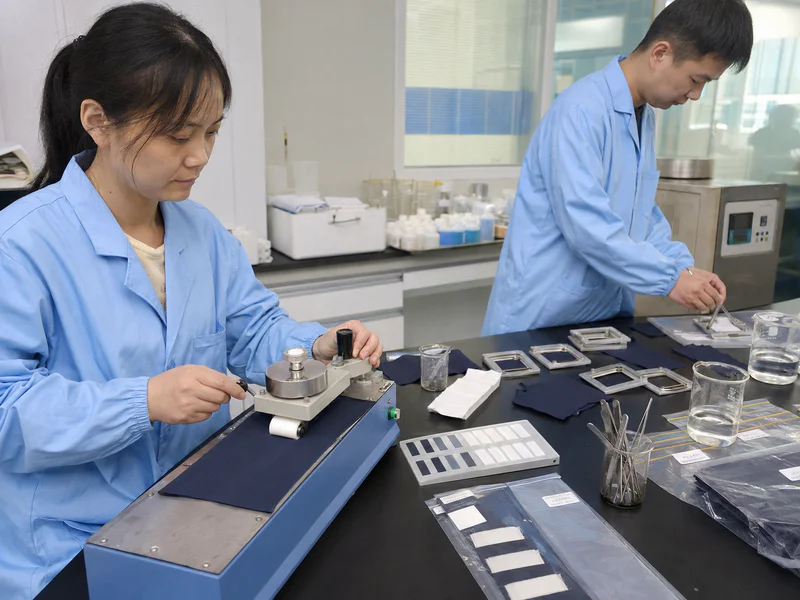
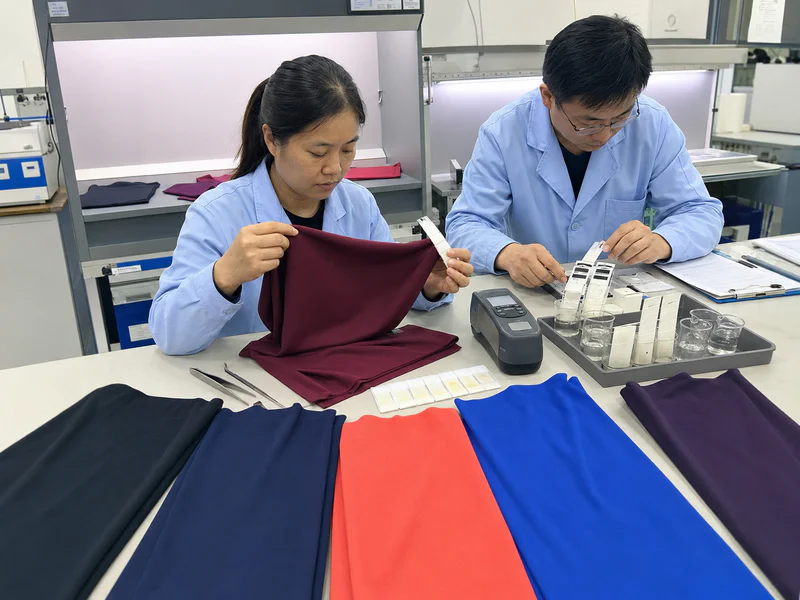
Color Control From Lab Dip to Bulk Fabric
Color is one of the most sensitive quality points on nylon and polyester spandex knits. Before dyeing we lock your color reference, lab dip, fabric spec, and tolerance. During bulk, we control dyeing lots, shade consistency, and compare every batch against your approved standard, with extra care on darks, brights, swimwear, and outdoor fabrics where fastness depends on use, color depth, and the right test method.


Tell us how your fabric should feel, stretch, and hold
Width, handfeel, stretch, and recovery are set in finishing, and they're hard to fix once bulk is done. Share your target handfeel and performance with us, and we'll dial the finishing to your standard before your order runs.
Balancing Handfeel, Surface, and Fabric Performance
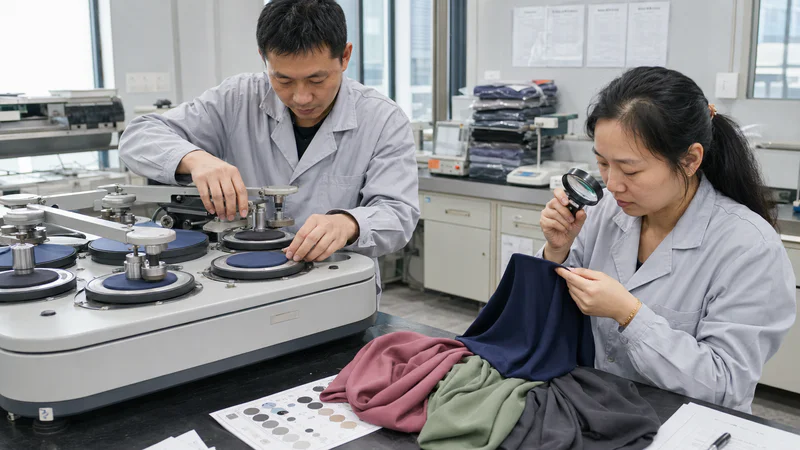
Finishing changes how your fabric feels, looks, stretches, shrinks, and performs in the garment. For nylon and polyester spandex knits we check finished handfeel, surface smoothness, fabric stability, shrinkage direction, and any application requirements after finishing, so you reduce handfeel drift, unstable surface, pilling, snagging, and functional uncertainty before final inspection.

Handfeel Consistency
We compare your finished handfeel against the confirmed sample, including softness, smoothness, stretch comfort, and surface touch, so the fabric you approved is the fabric you get.
Surface Stability
We review the surface after finishing for smoothness, appearance, pilling risk, snagging risk, and any abnormal surface change, before it ever reaches your cutting table.

Shrinkage Direction
We watch shrinkage direction and fabric stability, especially when your fabric is headed for fitted garments where a small shift changes the whole fit.

Functional Requirements
For UPF, cooling touch, or moisture-wicking needs, we confirm finishing performance against your fabric spec and testing requirements, not against a fiber name on paper.

Functional Finishes Need Confirmation
UPF, cooling touch, and moisture-wicking performance shouldn't be judged by fiber name alone. If you need a functional claim, we confirm it by spec and test so your label holds up.
Good finishing improves your fabric without adding new risk
When you need UPF, cooling touch, or moisture wicking, we confirm them against your fabric spec, finishing method, application, and testing requirements, never by assumption. The aim is simple: better fabric in use, with no new surprises in handfeel, surface stability, or garment performance.
The Last Review Before Your Fabric Gets Packed
Before any finished fabric is packed, we review the points that affect your cutting, sewing, garment fit, and shipment accuracy, surface, color, GSM, width, handfeel, stretch, recovery, roll condition, label info, and packing. This final pass helps you avoid visible defects, wrong roll information, inconsistent fabric, and packing problems before it leaves the mill.
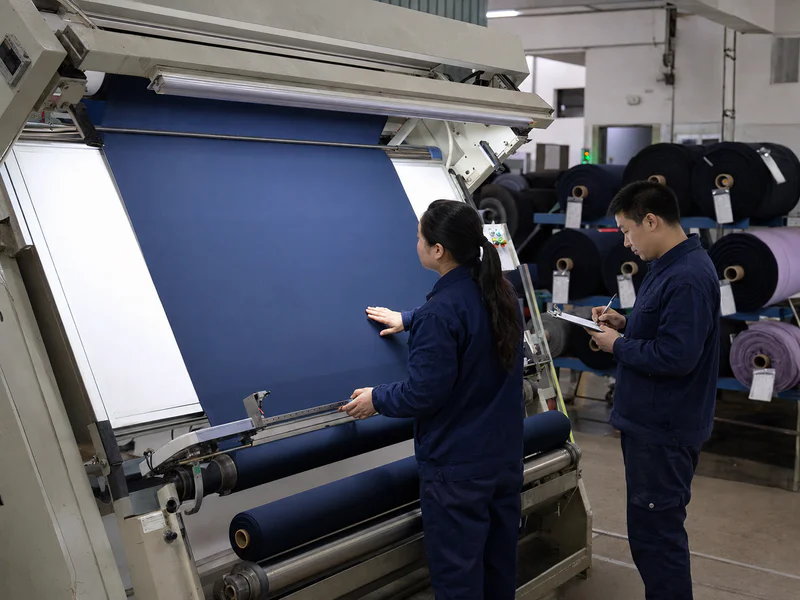
Reviewed roll by roll
Before it's packed
| What We Check | Why It Helps You |
|---|---|
| Fabric Surface | Catches visible defects like stains, holes, creases, uneven marks, and abnormal appearance before they reach your cutting table. |
| Color Condition | Checks shade direction against your approved color standard before packing, so reorders stay on tone. |
| GSM & Width | Reduces cutting problems caused by incorrect fabric weight or usable width. |
| Handfeel | Compares the finished touch with your confirmed sample, so the hand you approved is what ships. |
| Stretch & Recovery | Reviews fabric performance for your fitted or stretch garments, where recovery decides the fit. |
| Roll Condition | Checks rolling quality, creases, roll edges, and overall fabric presentation. |
| Label Information | Reduces mistakes in color number, lot number, roll number, and fabric details that slow your goods-in. |
| Packing Details | Confirms packing method, roll protection, and your shipment requirements before dispatch. |
Every roll is checked before packing, not after it reaches you
Each finished roll is reviewed before it's packed, so fabric problems get found before shipment instead of after arrival. That's the difference between a quick fix at the mill and a delay that lands on your production schedule. Tell us your inspection standard and we'll check to it.
Build Your Testing List by Fabric and Application
Different fabrics need different testing focus. Tick the items that matter for your project, some are basic quality checks, others apply when your fabric goes into sportswear, swimwear, underwear, or sun protection clothing. Send us your selection and we'll confirm the right test plan before bulk.
Composition
Confirms nylon, polyester, spandex, or blended fiber ratio.
BasicGSM
Checks fabric weight against your confirmed specification.
BasicWidth
Confirms usable width for your cutting and production planning.
BasicStretch & Recovery
Reviews elasticity, recovery, and fit-related performance.
BasicShrinkage
Checks size stability after washing or treatment.
BasicPilling
Reviews surface durability during wear and washing.
BasicColor Fastness to Washing
Checks color stability during washing.
ApplicationColor Fastness to Rubbing
Important for dark colors and close-to-skin garments.
ApplicationColor Fastness to Perspiration
Important for sportswear, underwear, and active-use fabrics.
ApplicationSnagging Risk
Important for lightweight nylon and sun protection clothing.
ApplicationOpacity
Important for leggings, yoga wear, swimwear, and fitted garments.
ApplicationHandfeel After Washing
Compares fabric touch before and after washing.
ApplicationMoisture Wicking
Confirmed when required for sportswear or activewear.
ApplicationCooling Touch
Confirmed when required by spec and testing method.
ApplicationUPF Testing
Confirmed when required for sun protection clothing.
ApplicationChlorine / Seawater Fastness
Confirmed when required for swimwear fabrics.
ApplicationLight Fastness
Confirmed when required for outdoor or sun-exposure use.
ApplicationDifferent Garment Uses Need Different Quality Focus
The same stretch knit can need very different checks depending on how you'll use it. Fitted garments lean on stretch, recovery, opacity, and handfeel; swimwear and outdoor wear lean on fastness, surface stability, and application-based testing. Pick your end-use and see where the quality focus shifts.

Yoga & Leggings
Fitted, squat-tested, worn close. Your focus sits on coverage, recovery, and a clean surface.

Swimwear
Wet, stretched, and exposed to chlorine, salt, and sun. Fastness and wet coverage lead here.

Underwear
Worn against skin all day. Soft hand, color stability, and safety testing carry the most weight.

Sun Protection Clothing
Light, smooth, and worn outdoors. Surface stability, snagging, and UPF claims need confirming.

Sportswear
Moved in, sweated in, washed often. Comfort, durability, and print suitability come first.

Men's Polo
Structured and shape-holding. Surface appearance and retention matter more than raw stretch.
Your quality standard should match the final garment use, not only the fabric name or fiber composition.

Surface reviewed
Before construction is locked
Surface Stability for Lightweight Stretch Fabrics
A smooth, delicate surface is an asset, until it snags.
Lightweight nylon spandex often runs smooth, soft, and fine. That's exactly what makes it work for sun protection, activewear, and outer layers, but the same surface needs a closer look at snagging risk before you commit to bulk.
And snagging isn't decided by fiber content alone. Several factors stack up:
Before bulk, we review your fabric surface, stretch behavior, handfeel, and application needs, so you can pick a construction that actually fits the final garment.
What we check before we lock your fabric construction
Records That Make Your Reorders Match the Last Run
Bulk consistency isn't held by final inspection alone. It rests on clear references, production records, lot identification, and finished fabric review. We keep your confirmed samples, lab dips, dyeing lots, GSM, width, inspection results, roll labels, and packing details, so checking bulk, comparing lots, or preparing a repeat order carries far less uncertainty.
Consistency Record Flow
Confirmed Standard
Confirmed sample, lab dip, fabric spec, handfeel direction, and testing requirements kept as your production references.
Production Records
GSM, width, dyeing lot, finishing direction, and inspection details recorded during production and review.
Lot & Roll Tracking
Roll labels and lot information identify color, batch, roll number, weight, and packing details.
Repeat Order Reference
Previous samples, lab dips, lot records, and inspection details become references for your repeat production.
Record Checklist
Confirmed Sample
Reference for handfeel, surface, stretch, and overall fabric direction.
Lab Dip Record
Compares color direction before bulk dyeing and for future repeat orders.
Dyeing Lot Record
Reduces mixed-lot confusion and supports color tracking.
GSM Record
Checks fabric weight consistency against your confirmed spec.
Width Record
Reduces cutting and usage problems caused by width variation.
Inspection Record
Reviews visible defects, roll condition, and finished fabric quality.
Roll Label
Identifies color number, lot number, roll number, weight, and fabric details.
Packing Record
Confirms packing method, roll quantity, and shipment information.
Clear records make your bulk fabric easier to check today, and easier to repeat next time.
Reordering? We already have your reference on file
If you've ordered with us before, your confirmed sample, lab dips, lot records, and inspection details are kept as reference, so your next run can be matched against the last one instead of started from scratch. Send your previous order or color and we'll pull the records.
Final Roll and Packing Review Before Shipment
Before your fabric ships, we go over roll labels, color numbers, lot numbers, roll condition, packing method, and shipment details, so what leaves the mill matches what you ordered and arrives ready to use.


What we confirm on every roll before it ships to you
Confirm the Key Details Before Production Starts
Clear information up front cuts misunderstanding around fabric spec, color, handfeel, testing, packing, and delivery. You don't need every detail ready at first inquiry, but the items below should be confirmed before bulk fabric moves forward.
No pressure to have it all at once. Send what you have and we'll guide the rest.
Garment Use
- Final garment application
- Target market
- Wearing environment
- Fitted or loose garment use
- Light, medium, or heavy fabric direction
Your garment use drives fabric selection, stretch, opacity, handfeel, fastness, and testing focus.
Fabric Standard
- Composition
- GSM & width
- Fabric structure
- Stretch & recovery requirement
- Handfeel standard & confirmed sample
Clear standards cut sample-to-bulk gaps in weight, width, stretch, recovery, and handfeel.
Color & Sample
- Color standard & lab dip approval
- Light or dark color concern
- High-saturation color concern
- Sample reference
- Quantity per color
Color confirmation cuts shade disputes, lab dip confusion, mixed-lot risk, and reorder uncertainty.
Testing & Packing
- Required testing & functional items
- Color fastness requirements
- Shrinkage requirement
- Packing method, roll length or weight
- Label & delivery requirement
Confirm early, especially for dark colors, swimwear, sun protection, activewear, and close-to-skin garments.
The clearer your standard before production, the easier the result is to control
Set the standard with us up front and there's far less to chase during production. Send your specs, color, and requirements, and we'll turn them into a clear production reference before bulk runs.
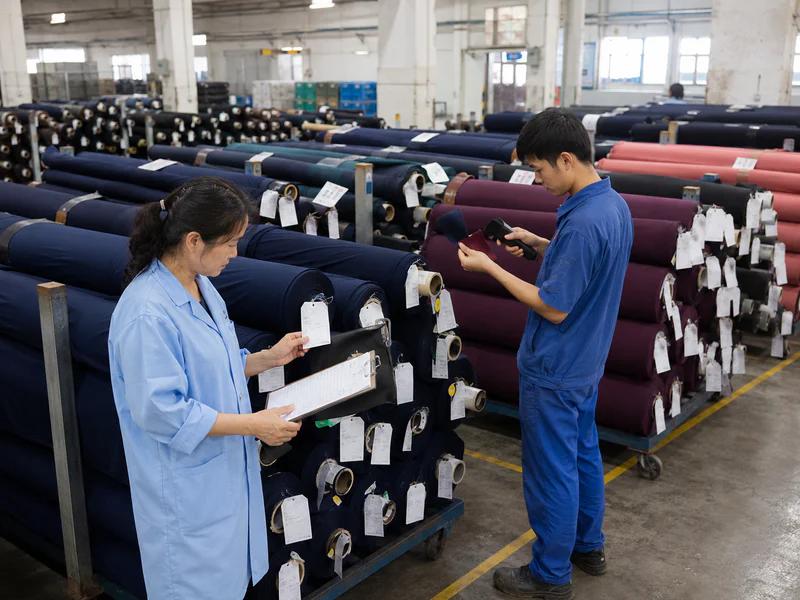
Real Quality Control Moments From Our Factory
See how your fabric quality gets checked, through knitting, color matching, measurement, finished inspection, rolling, and packing.

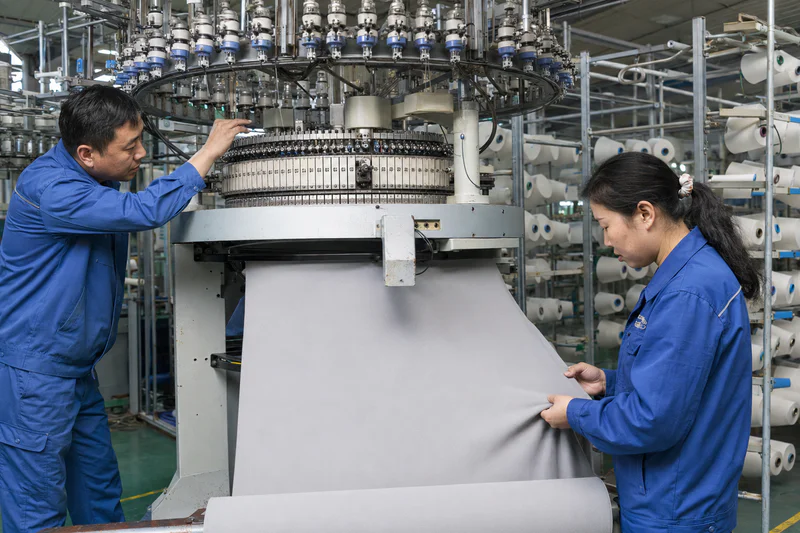


How Our QC Protects Brands Like Yours
Across leggings, swimwear, underwear, and sun protection clothing, one thing comes up again and again: checks at every stage, and far fewer surprises when bulk fabric lands.

Our last supplier only inspected at the end, so problems showed up after the rolls reached us. Here it's different. They confirmed our GSM, opacity, and color standard before bulk, checked shade and recovery during production, and reviewed every roll before packing. Two seasons in, our reorders still match the first run.
Activewear Brand
Leggings Program · Europe
Chlorine and seawater fastness used to be our biggest worry. They confirmed the testing points with us before lab dips, so bulk dyeing communication was clear and the shade came back consistent across lots.
Swimwear Manufacturer
South America
For close-to-skin garments we needed soft hand plus stable shrinkage and recovery. Their stage checks caught a width drift early, before it turned into a cutting problem on our side. That saved us a whole batch.
Underwear Brand
North America
Snagging on lightweight fabric was a real risk for us. Their surface review and UPF confirmation before sampling meant we knew the construction would hold up, no guessing once bulk was already running.
Outdoor Apparel Developer
Asia
Quality Checked at Every Stage, Not Just the End
Your fabric is easier to manage when the requirements are set early and checked all the way through.
We review your specifications, samples, color standards, knitting condition, dyeing results, finishing quality, finished fabric, roll labels, and packing details before anything ships.
For nylon and polyester spandex knits, this is what cuts your risk where it counts:

9 stages checked
From spec to packing
Send Your Fabric Requirements, Get a Clear Answer Back
Tell us your garment, specs, color, and testing needs. We'll confirm the right quality points and send a fabric recommendation with a quote within 24 hours.

Leon
Fabric Sales · Xinchuangda Textile
Hi, I'm Leon. Tell me what you're making and I'll take it from there. I won't just throw swatches at you, I'll ask about your garment, handfeel, opacity, color, and testing first, then recommend nylon and polyester spandex options that actually fit.
Whether you're sampling a new collection or scaling bulk, I'll keep your quality clear from first sample to repeat order. Send your details and I'll get back to you within 24 hours.
Leon
Your Fabric Contact
Send Your Requirements
Get a fabric recommendation & quote within 24h