
China Sportswear Fabric Factory
You get polyester spandex and knitted stretch fabrics for sports T-shirts, training wear, gym apparel, teamwear and active sportswear — developed with breathability, quick-dry direction, printing suitability and bulk consistency in mind.
- Fabric options for sports T-shirts, training tops, gym wear, teamwear and active sportswear
- Polyester spandex and knitted stretch fabric directions for cost-sensitive bulk programs
- Breathable, moisture-wicking, quick-dry or cooling finishes can be discussed and confirmed by testing
- Fabric selection based on GSM, handfeel, stretch, structure, printing method and garment use
- Support for samples, color cards, lab dips and custom dyeing
- Standard custom dyeing MOQ: 300 KG per color

Custom Dyeing MOQ
300 KG Per Color
Everything You Need to Source Sportswear Fabric With Confidence
Sampling a new sportswear line or scaling bulk production? Jump straight to the section that answers your question.
Beyond Stretch
Why sportswear fabric is more than just stretch
Fabric Checks
What to confirm before you place an order
Polyester Spandex
GSM, structure & stretch for active bases
Sportswear Types
Match fabric to tees, training tops & teamwear
Function Testing
Breathable, quick-dry & cooling, confirmed by testing
Printing & Sublimation
Print-ready bases for sublimation & screen print
Fabric Problems
Pilling, shade variance, recovery loss & more
Custom Development
New fabric built to your spec & handfeel
Bulk Confirmation
Lock specs with samples & lab dips before bulk
Production Support
Shade band & GSM consistency at scale
FAQ
MOQ, lead time, sampling & payment terms
Get Quick Quote
Quote, samples & color cards within 24h →
Sportswear Fabric Is Not Only About Stretch
Stretch helps movement, but sportswear fabric also has to match your sweat, washing, printing and bulk production requirements. A fabric for sports T-shirts, training wear or teamwear should not be chosen on stretch or handfeel alone. The right direction depends on how the garment is worn, how much sweat it handles, how it gets printed, and how stable it stays after repeated washing and bulk runs.
 01 / SWEAT
Sweat Comfort
Check breathability, moisture-management direction and quick-dry needs based on training intensity and garment use.
Confirm
 02 / MOVEMENT
Movement Support
Stretch should support movement, while recovery helps the garment keep its shape after wearing.
Confirm
 03 / WASHING
Washing Stability
Sportswear fabric should be checked for shrinkage, shape change, handfeel change and function durability after washing.
Confirm
 04 / PRINTING
Printing Suitability
For teamwear or printed sports T-shirts, confirm base color, surface, stretch and heat setting before the bulk order.
Confirm
 05 / BULK
Bulk Consistency
GSM, width, color, handfeel and function direction should stay consistent from sample to bulk and across repeat orders.
Confirm
Not Sure Which Direction?
Tell us your garment type, sweat level and printing method, and we'll recommend the right sportswear fabric direction before sampling.
What to Check in Sportswear Fabric
Before choosing a fabric for sports T-shirts, training wear or teamwear, check the points that affect comfort, printing, washing and bulk consistency. Run through them by garment use, sweat condition, washing requirement, printing method and bulk target, so you can compare options before sampling, custom dyeing or bulk order.

Send your garment type and target use — we'll tell you which of these checks matter most for your program.
-
01
Breathability
Breathability reduces the stuffy wearing feeling during training, running or daily movement.
-
02
Moisture & Drying
Moisture-wicking and quick-dry requirements should be confirmed by fabric specification, finishing direction and testing needs.
-
03
Lightweight Stability
Sports T-shirts and training tops often need lightweight comfort without becoming too thin, loose or unstable.
-
04
Stretch & Recovery
Stretch supports movement, while recovery helps the garment keep shape after wearing and washing.
-
05
Pilling & Abrasion
Sportswear faces friction from body movement, bags, equipment and repeated washing, so pilling and abrasion direction should be checked.
-
06
Sweat Color Fastness
Dark colors, team colors and contrast panels should be checked for perspiration, rubbing and washing color fastness.
-
07
Print Compatibility
For printed sportswear, check base fabric color, surface smoothness, stretch level, heat setting and the printing sample result.
-
08
Bulk Repeatability
Bulk orders should keep stable GSM, width, handfeel, color, function direction and printing suitability.
Why Polyester Spandex Works for Sportswear
Polyester spandex is often chosen for sports T-shirts, training wear, gym apparel and teamwear because it balances stretch, cost control, functional finishing and bulk stability. For many programs, fabric selection isn't only about softness — cost, color stability, printing method, washing performance and repeat supply all matter. Polyester spandex knitted fabric is a practical direction when you need stretch comfort, finishing options and stable bulk for active programs.


Polyester or Nylon? Here's How to Decide
Both work for active programs, but they pull in different directions. Polyester spandex leans toward cost, printing and bulk consistency. Nylon spandex leans toward soft handfeel and body-fit comfort. Read your garment and market against the lists below before you commit a base.
Go With
Choose Polyester Spandex When
- You need sports T-shirts, training tops, teamwear or gym apparel
- Cost control and bulk consistency are important
- Printing, sublimation or team colors need to be considered
- Functional finishing needs to be discussed by project
- Repeat orders and stable color development are required
Consider Instead
Consider Nylon Spandex When
- The garment needs a softer skin-contact handfeel
- The project is closer to leggings, sports bras or fitted activewear
- Higher comfort, smooth touch or body-fit performance is the main focus
- The target market accepts a higher material cost
Polyester spandex is a strong direction for many sportswear fabrics, but final performance shouldn't be judged by fiber composition alone. Breathability, moisture-wicking, quick-dry effect, pilling resistance, color fastness and printing result can all be affected by yarn, knitting structure, GSM, finishing, dyeing and testing method.
Fabric Selection by Sportswear Type
A sports T-shirt, a training top and a team uniform may all use stretch knitted fabric, but you shouldn't select them the same way. Each garment carries different requirements for breathability, weight, recovery, printing, color stability, washing performance and repeat production. Choose by garment use, sweat level, stretch need, printing method and bulk target.

Lightweight Comfort That Holds Its Shape
Sports T-shirts need lightweight comfort, breathable structure and stable cost for regular production. The fabric shouldn't feel heavy during movement, but it also shouldn't go thin, loose or unstable after washing.
Recommended Direction
Lightweight polyester spandex jersey, mesh or other breathable knits, discussed by target GSM, handfeel and price.
Confirm Before Bulk
Breathability, quick-dry, printing result, shrinkage, handfeel and color stability.

Move With You, Recover After Wear
Training tops need more movement support than basic T-shirts. The fabric should stretch during exercise and recover after wearing, while keeping a clean shape across repeated washing.
Recommended Direction
Stretch knitted fabric with stable recovery, suitable GSM and a smooth surface for training and gym tops.
Confirm Before Bulk
Stretch & recovery, sweat comfort, pilling, washing stability, seam performance and shape retention.

Built to Take Friction and Washing
Gym wear faces repeated friction from body movement, equipment, bags and washing. Fabric selection should balance comfort, durability, stretch and moisture-management needs.
Recommended Direction
Polyester spandex or nylon/polyester knits, discussed by target market, handfeel, durability and cost.
Confirm Before Bulk
Pilling, abrasion, stretch recovery, moisture-wicking or quick-dry, odor concern and washing performance.

Stable Colors, Repeatable Supply
Teamwear and sports uniforms need stable colors, printing suitability and repeat supply. The fabric should support team color development and stay consistent across bulk and repeat orders.
Recommended Direction
Polyester-based knits, commonly considered for teamwear, uniforms, sports jerseys and sublimation projects.
Confirm Before Bulk
Lab dips, custom colors, sublimation result, perspiration & rubbing fastness, washing and repeat color control.

Ventilation and Fast Drying First
Running and cycling tops need lightweight comfort, ventilation and a fast-drying direction. The fabric should help reduce the stuffy feeling during movement and repeated sweating.
Recommended Direction
Lightweight breathable stretch fabric, mesh or moisture-management finishing, by design and performance target.
Confirm Before Bulk
Ventilation, quick-dry, friction areas, color stability, washing durability and whether claims need testing.

Stretch That Won't Lose Its Shape
Sports shorts and light bottoms need stable stretch, shape retention and abrasion consideration. The fabric should allow leg movement without going loose, twisted or easily deformed after washing.
Recommended Direction
Stable stretch knits with suitable GSM, recovery and structure for shorts, light bottoms and training sets.
Confirm Before Bulk
Stretch recovery, abrasion, shrinkage, twisting risk, pilling, handfeel and fabric weight.

Clean Look, Everyday Comfort
Athleisure sports tops need a cleaner appearance and more daily-wear comfort. The fabric should look smooth, feel comfortable and keep stable color and handfeel after repeated wearing and washing.
Recommended Direction
Smooth knits, clean-handfeel polyester spandex or other stretch directions, by appearance, comfort and price.
Confirm Before Bulk
Surface smoothness, pilling, color consistency, handfeel stability, washing and everyday comfort.
Common sportswear fabric directions may include jersey, mesh, pique, interlock or 4-way stretch structures. Your final selection should depend on garment application, target GSM, width, handfeel, printing method, function requirements and actual fabric availability. Moisture-wicking, quick-dry, cooling touch or other function claims should be confirmed by specifications and testing requirements before bulk production.
Moisture-Wicking, Quick-Dry and Cooling Should Be Tested
Don't judge sportswear function by fiber content alone. Moisture management, quick-dry effect, cooling touch and breathability are all affected by fabric structure, yarn, GSM, finishing, washing condition and testing method. If your program needs breathable comfort, wicking, fast drying or cooling, set clear specifications and testing requirements before bulk — especially for sports T-shirts, training wear, gym apparel, running tops and teamwear.
Moisture-Wicking
Wicking comes from yarn, structure and finishing, not the label. If you need it, we select and finish the fabric to your moisture-management target and confirm it by the right test method.
Quick-Dry
Polyester content alone won't decide drying speed. GSM, density, surface structure, finishing and garment use all shape the result, so we tie quick-dry to your real garment and washing durability — and lab test it where it matters.
Cooling Touch
For warm-weather sportswear, cooling touch is worth discussing — but it should come from a finishing direction and be confirmed by Q-max or related testing, not claimed on handfeel alone.
Breathability
For sports T-shirts, running tops, training wear and gym apparel, breathability matters. We match a breathable direction — knit structure, mesh or ventilation — to your garment design and target GSM.
Washing Durability
Sportswear gets washed again and again, so function shouldn't be judged on the first sample only. If durability matters to you, we agree the wash count, method and retention target up front.
Color & Function Balance
Dark shades, team colors and functional finishes need extra care. We check dyeing, finishing and color fastness together — especially perspiration and rubbing fastness — so sweating and repeated washing don't undo the look.
How We Confirm Function Before Bulk
Three steps from your requirement to a confirmed fabric — so function, color and handfeel are locked before custom dyeing or bulk production, not discovered after.

Share Your Function Requirements
Tell us the garment type, target function, expected wearing condition, color, GSM range and any required testing method. The more you share, the closer the first direction lands.

We Suggest a Fabric Direction
Based on your sportswear application, we recommend a suitable fabric structure, weight, handfeel and finishing direction — matched to how the garment is actually worn, not a generic spec.

Confirm Everything Before Bulk
Samples, lab dips, functional finishing direction and testing requirements all get confirmed before custom dyeing or bulk production — so what you approve is what runs.
Moisture-wicking, quick-dry, cooling touch and breathability should be confirmed by actual specifications and testing requirements.
Fiber composition alone isn't enough to confirm final sportswear performance.
Printing and Sublimation Fabric Checks
Printed sportswear isn't only about choosing a polyester fabric. For sports T-shirts, teamwear, uniforms and printed training wear, your base must work with the printing method, artwork, stretch level, garment use and washing requirement. For sublimation or printed projects, run print samples before the bulk order.
Can This Fabric Work With Your Printing Method?
Different printing methods need different fabric conditions. A fabric that works for solid-color sportswear won't always give you the right result for sublimation, digital printing, screen printing or heat transfer. Before printing, check the base for color, surface, stretch and heat stability.

Before Printing, Check These 5 Points
-
1
Printing Method
Confirm whether the project uses sublimation, digital printing, screen printing, heat transfer or another method.
-
2
Base Fabric Color
White or light bases are often used for sublimation, while darker base colors can affect print shade and clarity.
-
3
Surface Smoothness
A cleaner surface helps logos, patterns and color blocks print sharper. Textured or fuzzy surfaces can blur artwork.
-
4
Stretch Level
Sportswear stretches when worn. Check logos, stripes and patterns under stretch condition before bulk order.
-
5
Heat Stability
Sublimation and heat transfer involve heat. Check shrinkage, handfeel change and elasticity change after heat treatment.
Sublimation and Team Colors Need Sample Approval
Teamwear, sports jerseys and printed uniforms often need repeat colors, sharp logos and stable bulk performance. Print approval shouldn't only check the artwork effect — it should also cover color fastness, washing performance, stretch distortion and sample-to-bulk consistency. Here's what to watch, and how to confirm each one.
Check lab dips, base fabric color, print sample and an approved color reference before bulk production.
Check surface smoothness, artwork detail, fabric structure and print sample clarity.
Check logo position, stripe direction, stretch level and recovery after stretching.
Check perspiration color fastness, rubbing fastness and washing performance — especially for dark colors and contrast panels.
Check whether printing or heat treatment changes fabric softness, elasticity or surface touch.
Keep approved samples, color records, fabric specification and printing records for repeat orders or team color programs.
Polyester-based fabrics are often considered for sublimation, but not every polyester spandex fabric is automatically suitable for printing. Confirm fabric suitability by base color, surface smoothness, stretch level, heat setting and a print sample result before your bulk order.
Fabric Problems That Usually Appear Later
Some sportswear fabric problems don't show up when you only touch a sample. They appear after sweating, stretching, washing, printing or repeat production. A fabric may look fine at first, then run too hot in training, pill after friction, bleed from sweat, shrink after washing or distort under print. Tap each problem to see what we check.
When the Garment Feels Too Hot
Some sportswear fabrics feel fine in hand but turn stuffy when worn during training. It usually happens when GSM, density, structure or finishing doesn't match your sweat level and garment use.
What We Check
Breathability direction, fabric structure, GSM, moisture-management requirement and the final garment application.
Custom Sportswear Fabric Development
Development should start from your final garment, not from fabric composition. A sports T-shirt, training top, teamwear uniform and gym apparel might all use polyester spandex knitted fabric, but each project can need a different structure, weight, stretch level, surface feel and finishing direction. We develop by garment type, target GSM, handfeel, function, printing method and bulk needs.

Fabric Structure and GSM
For sportswear, structure and GSM drive breathability, weight, stretch, printing result and wearing comfort. We can discuss jersey, mesh, pique, interlock or other knitted directions by your garment type, target handfeel, breathability need and price level.
A lightweight fabric may suit sports T-shirts or running tops, while training wear or sports shorts may need more stable recovery and structure. The final direction gets confirmed by sample checking — not by fabric name alone.

Functional Finishing
Moisture-wicking, quick-dry, cooling touch or other finishes can be discussed when your project has clear function requirements. They should be confirmed by fabric specification, finishing method and testing before bulk production.
We don't recommend judging function by fiber content alone — structure, yarn, GSM, dyeing, finishing and washing condition all shape the final result.

Custom Colors and Team Colors
We can develop custom colors and lab dips for sports collections, teamwear, uniforms, dark shades and brand colors. For sportswear, color development should also weigh perspiration fastness, rubbing fastness and washing performance — especially for dark or contrast-color designs.
For repeat programs, keeping color records and approved lab dips makes communication on future orders far smoother.

Printing and Sublimation Suitability
If the fabric goes into printed sports T-shirts, teamwear or sublimation projects, we check the base before bulk. Surface smoothness, base color, stretch level, heat setting and washing performance all affect the printing result.
We recommend print samples whenever your project includes logos, stripes, large artwork, team colors or stretch-sensitive patterns.

Bulk Cost and Repeat Orders
Sportswear fabric usually needs a balance between function, cost and stable supply. During development, we can shape the direction around your target price, quantity per color, dyeing plan, finishing requirement and repeat order needs.
For seasonal programs or teamwear orders, the goal isn't only a good sample — it's keeping GSM, width, color, handfeel, stretch and function consistent in bulk.
Ready to Develop Your Fabric?
Send your garment type, target GSM, function needs and printing method. We'll work through the direction with you before sampling, custom dyeing and bulk.
Bulk Confirmation Before Production
Sample approval shouldn't stop at handfeel. GSM, width, stretch, color, washing performance, function direction and printing suitability all affect your final garment. A clear confirmation process keeps bulk easier to control — especially for sports T-shirts, training wear, teamwear and repeat programs.
The clearer your sample, color, function and printing confirmation, the smaller the gap between sample and bulk. Lock down GSM, width, color, handfeel, stretch, function direction and printing result before production starts — it's the simplest way to keep your sportswear program consistent across bulk and repeat orders.
Production Support for Stable Fabric Supply
Sportswear production needs more than sample development. Structure, GSM, width, color, finishing, printing suitability and repeat order records all need to stay clear before bulk. A fabric may be approved at sample stage, but bulk still needs control over knitting, dyeing, finishing, color matching, testing and repeat supply.
 01
01
Fabric Direction Before Sampling
The first question isn't "which fabric is cheapest" — it's which direction fits your garment. We review garment type, target GSM, handfeel, stretch, printing method, function and price before suggesting an option to sample.
 02
02
Knitting Support for Stability
Sportswear needs stable structure, width, GSM and stretch. We coordinate structure, density and stretch direction to your confirmed application — important for lightweight tees, mesh, training wear and repeat production.
 03
03
Dyeing Support for Colors
Dark, team and seasonal colors shouldn't rely on screen images alone. We support color cards, lab dips and custom dyeing — weighing perspiration, rubbing and washing fastness alongside the dyeing plan.
 04
04
Finishing Support for Function
Moisture-wicking, quick-dry and cooling are affected by structure, GSM, yarn, dyeing, finishing and washing. We discuss finishing direction to your function need — confirmed by specs and testing, not fiber content alone.
 05
05
Printing & Sublimation Support
Printed sportswear and teamwear need checks before bulk. We confirm whether the fabric suits your planned method — and for sublimation, logos, stripes or large artwork, we recommend a print sample first.
 06
06
Bulk & Repeat Order Control
Programs need repeat colors and consistent performance. We keep your confirmed sample, lab dip, spec, color record, finishing requirement and bulk notes clear — so repeat orders stay closer to your last run.
Most sportswear fabric problems can be reduced before bulk production — when you check the fabric by garment type, sweat condition, washing requirement, printing method and repeat order target. Get those clear early, and bulk becomes far easier to control.
Sportswear Fabric FAQ
Common questions on choosing, developing and confirming sportswear fabric. Don't see yours? Send it to Leon and we'll answer it directly.
01
What fabric is suitable for sportswear?
Select sportswear fabric by garment type, sweat level, stretch need, washing requirement, printing method and bulk target. For sports T-shirts, training wear, gym apparel and teamwear, polyester spandex knitted fabric is often a practical direction — it balances stretch, cost control, functional finishing and bulk stability.
02
Is polyester spandex good for sports T-shirts and training wear?
Yes. Polyester spandex is commonly considered for sports T-shirts, training tops, gym wear and teamwear. It supports stretch comfort, functional finishing, printing discussion and stable bulk production. Your final choice should still depend on GSM, fabric structure, handfeel, color, printing method and testing requirements.
03
Should I choose polyester spandex or nylon spandex for sportswear?
Polyester spandex often suits sports T-shirts, teamwear, uniforms and cost-sensitive programs. Nylon spandex may be considered when the garment needs a softer skin-contact handfeel — like leggings, sports bras or more fitted activewear. The better choice depends on garment use, target market, handfeel and cost level.
04
Can you provide moisture-wicking or quick-dry sportswear fabric?
Moisture-wicking and quick-dry directions can be discussed by fabric structure, GSM, yarn, finishing method and testing requirements. Don't judge these by fiber content alone. If you need function claims, confirm the testing requirements before bulk production.
05
Can sportswear fabric be used for sublimation printing?
Polyester-based fabrics are often considered for sublimation, especially sports T-shirts, teamwear and uniforms. But not every polyester spandex fabric is automatically suitable. Check base fabric color, surface smoothness, stretch level, heat setting and the print sample result before bulk order.
06
How do I choose GSM for sportswear fabric?
Choose GSM by garment type and wearing condition. Sports T-shirts and running tops often need lighter directions for breathability and comfort. Training tops, gym wear and sports shorts may need more stable structure, recovery and durability. Check final GSM together with handfeel, stretch, opacity, printing and washing performance.
07
How can pilling risk be reduced in sportswear fabric?
Pilling is affected by yarn, knitting structure, fabric density, surface finishing, friction and washing condition. Sportswear faces rubbing from body movement, bags, equipment and repeated washing, so check pilling direction during sample review. A softer surface may feel better, but balance it against durability needs.
08
What should be checked for dark colors and team colors?
Check dark sportswear, team colors and contrast panels for perspiration color fastness, wet rubbing and washing performance. Sweat and repeated washing raise the risk of staining or color transfer, especially on deep shades or color-blocked designs. We recommend lab dips and approved color records before bulk dyeing.
09
How do you reduce sample-bulk differences?
Reduce them by confirming the approved sample, lab dip, GSM, width, color, handfeel, stretch, finishing direction, printing result and testing requirements before production. For repeat orders, keeping color records and fabric specifications helps hold bulk consistency.
10
What information should I provide for a fabric recommendation?
Share the garment type, target GSM, width, handfeel, stretch need, color, quantity per color, printing method, function requirement and testing standard if required. If your project is for teamwear, sublimation or dark colors, also discuss print sample, artwork direction and color fastness requirements.
Tell Us What You're Making, Get a Fabric Direction Back
Share your garment and requirements and we'll recommend a sportswear fabric direction, with a quote, within 24 hours.
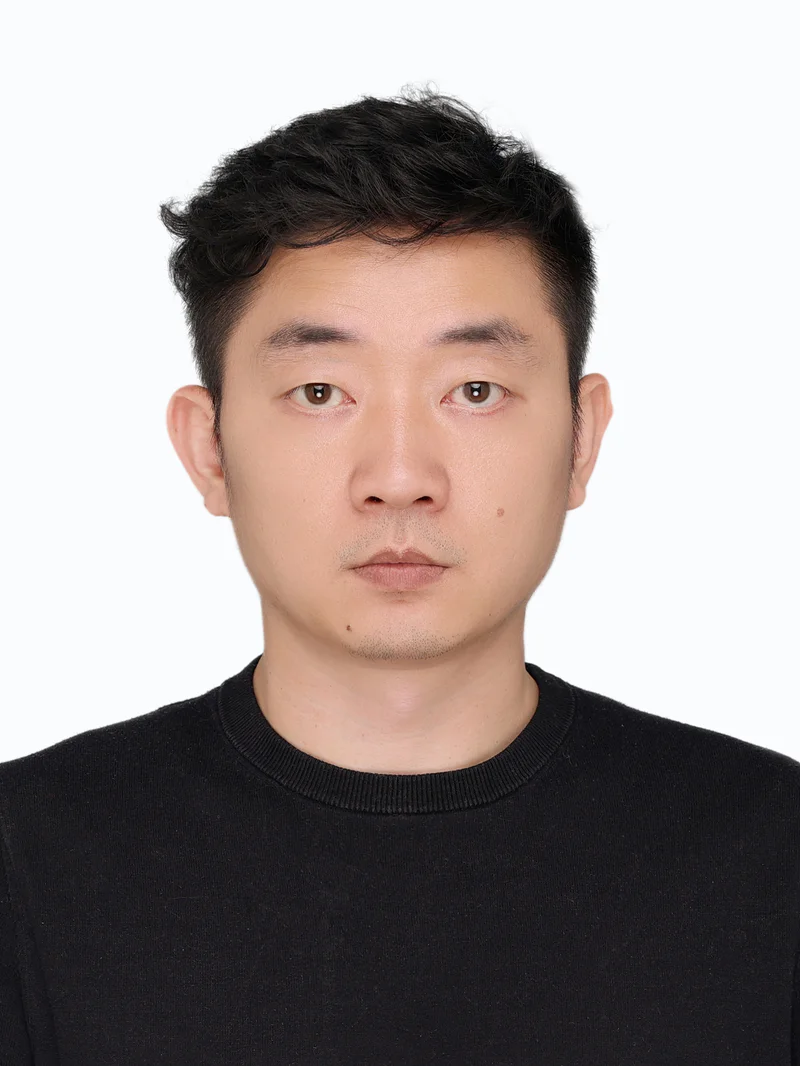
Leon
Fabric Sales · Xinchuangda Textile
Hi, I'm Leon. Tell me what you're making and I'll handle it from there. I won't just throw swatches at you — I'll ask about your garment, GSM, handfeel, sweat level, printing method and color first, then recommend sportswear fabric options that actually fit.
Whether you're sampling a new sports line or scaling teamwear bulk, I'll keep things clear from first sample to repeat order. Send your details and I'll get back to you within 24 hours.
Leon
Your Fabric Contact
Send Your Requirements
Get a fabric recommendation & quote within 24h