
China 4-Way Stretch Knitted Fabric Factory
Nylon spandex and polyester spandex 4-way stretch knitted fabrics for leggings, swimwear, sportswear, underwear, sports bras and sun protection clothing.
Tell us your garment, and we help you choose the right stretch fabric by handfeel, recovery, opacity, GSM, color and testing requirements.
- 4-way stretch in both crosswise and lengthwise directions
- Nylon spandex and polyester spandex options for different garment uses
- Fabric suggestions matched to your stretch recovery, opacity, handfeel and surface stability
- Custom GSM, width, color, handfeel and functional finishing can be discussed
- Samples, color cards and custom dyeing available
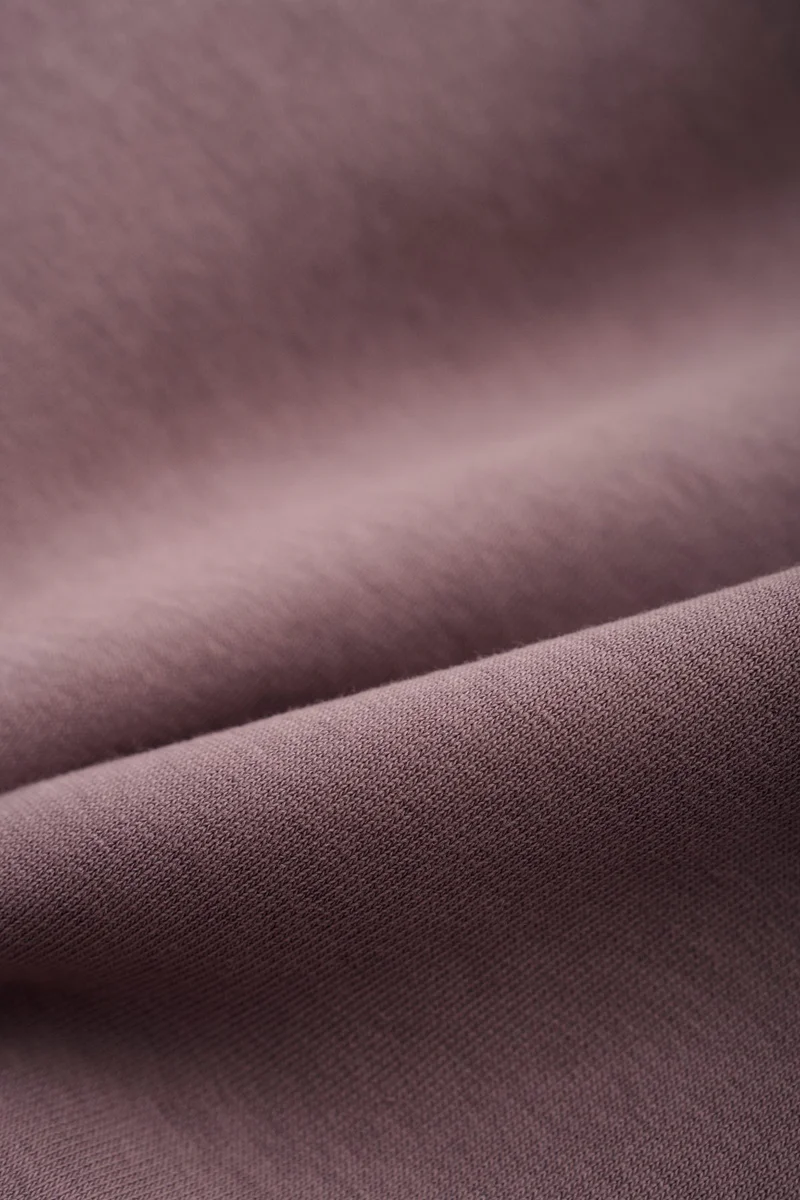
Nylon & Polyester
Spandex 4-Way Stretch
Everything You Need to Choose 4-Way Stretch Fabric With Confidence
Whether you're sampling a new collection or scaling bulk production, jump straight to the section that answers your question.
Stretch Fabric Basics
Stretch direction, recovery & GSM explained simply
What Is 4-Way Stretch
Crosswise & lengthwise stretch and why it matters
Choose by Application
Match the right base to your garment type
Nylon vs Polyester
Which spandex blend fits your end use
Key Selection Factors
Recovery, opacity, handfeel & surface stability
Fabric Recommendations
Our suggested fabrics for each garment
Custom Fabric Development
New fabric built to your spec & handfeel
Common Fabric Problems
Recovery loss, shade variance, opacity, curling
Samples & Color Cards
Hanger samples & color cards before bulk
Knitting & Dyeing Control
In-house knitting & dyeing, full process control
Quality Checks
Shade band, GSM check & defect inspection
Fabric Applications
Real end-use garments our fabric is made for
FAQ
MOQ, lead time, sampling & payment terms
Request Recommendation
Get fabric advice, samples & quote within 24h →
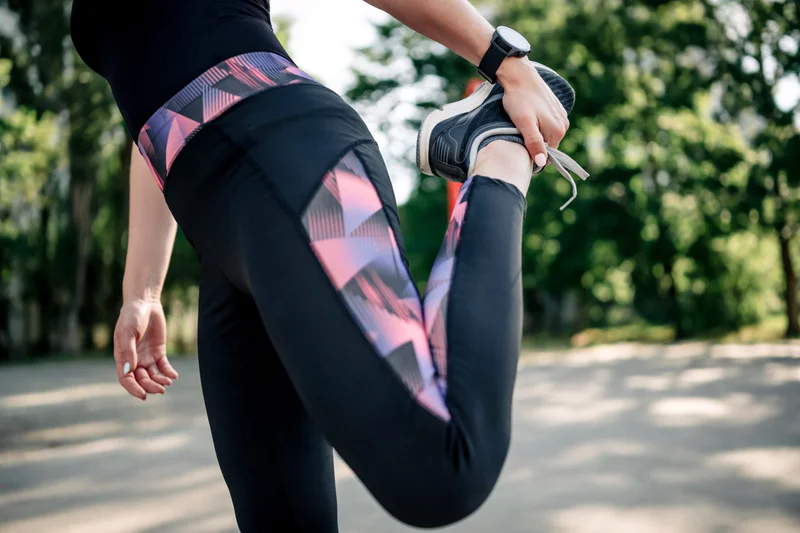
Selected By
Final Garment Use, Not Just Stretch
Start With the Garment, Not Just Stretch
A 4-way stretch fabric should be selected by your final garment use, not by stretch direction alone. The same "4-way stretch" description can lead to very different fabric choices.
- Leggings may need better recovery and opacity under stretch.
- Swimwear may need wet coverage and color stability.
- Underwear may need soft touch and skin comfort.
- Sun protection clothing may need lightweight comfort, a smooth surface and UPF testing.
Share your garment application, target handfeel, GSM, color and testing needs. We help you choose a suitable nylon spandex or polyester spandex knitted fabric direction before you move forward.
"4-way stretch" alone never tells you which fabric you actually need. Two suppliers can both call a fabric 4-way stretch, yet differ in recovery, opacity, handfeel and color stability. Tell us the garment first, and we narrow the direction before you commit to samples or bulk.
What Makes a Fabric 4-Way Stretch?
A 4-way stretch knitted fabric should stretch in both crosswise and lengthwise directions. For garment use, it should not only stretch, but also recover, cover and stay stable during wearing, washing and movement.
Don't judge it by handfeel or GSM alone. A soft fabric may still have poor recovery. A heavy fabric may still go see-through under stretch. A fabric with good stretch may still show whitening, pilling or surface instability after use.
For leggings, swimwear, underwear, sports bras and activewear, check your sample under actual stretch conditions before bulk production.
Key Points to Check
Crosswise Stretch
The fabric should stretch clearly across the width direction, especially for body fit and movement comfort.
Lengthwise Stretch
The fabric should also stretch along the length direction, improving movement freedom in close-fitting garments.
Stretch Recovery
After repeated stretching, it should return close to its original shape. Poor recovery causes loose fit, bagging or deformation after wear and wash.
Opacity Under Stretch
Check while stretched, not only when flat. Critical for leggings, swimwear, light colors and close-fitting garments.
Stretch Whitening
Check dark colors under stretch. Some fabrics look solid when flat but turn whitish when pulled.
Surface Stability
Softness matters, but the surface should match the garment. Lightweight sun-protection or outerwear fabrics need stability to reduce snagging and fuzzing.
Application Suitability
A fabric can be 4-way stretch and still be wrong for the garment. Each end use needs a different balance of stretch, recovery, opacity, handfeel and testing.
Hover to pause · drag to browse on mobile
A fabric should not be confirmed only because it stretches in four directions.
Before moving to custom color or bulk order, check how it performs under stretch: recovery, opacity, whitening, surface stability and garment suitability. These checks help you avoid see-through leggings, loose fit after washing, stretch whitening on dark colors, or the wrong fabric for swimwear and activewear.
Choose 4-Way Stretch Fabric by Garment Application
The same "4-way stretch" description can lead to very different fabric choices. Leggings, swimwear, sportswear, underwear and sun protection clothing all need stretch, but not the same fabric. Start with your final garment use to narrow the direction and reduce risk during sampling, custom dyeing and bulk production.


A 4-way stretch fabric should not be selected only by GSM.
GSM affects thickness, coverage and drape, but it doesn't decide the final use on its own. Review structure, density, recovery, opacity, handfeel, surface stability and testing requirements together with your garment application.
Nylon Spandex vs Polyester Spandex 4-Way Stretch
Both can be made into 4-way stretch knitted fabrics, but they're usually selected for different garment goals. Nylon spandex leans toward soft touch, skin comfort, recovery and premium handfeel. Polyester spandex leans toward cost control, functional finishing, printing options and bulk production stability.
The better choice depends on your garment application, target handfeel, opacity, color, testing requirements and quantity.
| Selection Point | Nylon Spandex 4-Way Stretch | Polyester Spandex 4-Way Stretch |
|---|---|---|
| Main Feel | Softer, smoother, more skin-friendly touch | Cleaner, more stable, often more structured feel |
| Common Applications | Leggings, yoga wear, underwear, sports bras, swimwear | Sportswear, training wear, sports T-shirts, polo-related stretch styles, sun protection clothing |
| Best For | Comfort, body fit, recovery and premium handfeel | Cost control, function, printing options and bulk stability |
| Opacity Focus | Often used for higher-comfort leggings and close-fitting garments | Can be selected by density, structure and color requirement |
| Functional Options | UPF, cooling touch or moisture-wicking finishing can be discussed by specification | Often used for quick-dry, moisture-wicking, sublimation or functional sportswear |
| Color & Dyeing | Suitable for rich colors and soft handfeel projects; color fastness should be confirmed by requirement | Often considered for bright colors, printing or bulk activewear; testing should be confirmed by use |
| Cost Direction | Usually positioned for mid-to-premium comfort programs | Often considered for cost-sensitive or large-volume programs |
| Before Sampling | Confirm handfeel, recovery, opacity, stretch whitening and pilling requirements | Confirm function, printing method, surface stability, shrinkage and color fastness requirements |
Nylon Spandex 4-Way Stretch
- Main Feel
- Softer, smoother, more skin-friendly touch
- Common Applications
- Leggings, yoga wear, underwear, sports bras, swimwear
- Best For
- Comfort, body fit, recovery and premium handfeel
- Opacity Focus
- Higher-comfort leggings and close-fitting garments
- Functional Options
- UPF, cooling touch or moisture-wicking by specification
- Color & Dyeing
- Rich colors and soft handfeel; confirm color fastness by requirement
- Cost Direction
- Mid-to-premium comfort programs
- Before Sampling
- Confirm handfeel, recovery, opacity, stretch whitening and pilling
Polyester Spandex 4-Way Stretch
- Main Feel
- Cleaner, more stable, often more structured feel
- Common Applications
- Sportswear, training wear, sports T-shirts, polo stretch styles, sun protection clothing
- Best For
- Cost control, function, printing options and bulk stability
- Opacity Focus
- Selected by density, structure and color requirement
- Functional Options
- Quick-dry, moisture-wicking, sublimation or functional sportswear
- Color & Dyeing
- Bright colors, printing or bulk activewear; confirm testing by use
- Cost Direction
- Cost-sensitive or large-volume programs
- Before Sampling
- Confirm function, printing method, surface stability, shrinkage and color fastness
A Simple Way to Pick Your Starting Direction
Choose Nylon Spandex When…
Your garment needs softer touch, close-to-skin comfort, stable recovery and a more premium wearing feel.
Good starting point for
Choose Polyester Spandex When…
Your project needs cost control, functional finishing, printing options, quick-dry performance or more stable bulk production.
Worth discussing first for
Either way, confirm the final fabric by structure, GSM, density, stretch recovery, opacity, color and testing requirements before bulk order.
Key Factors When Selecting 4-Way Stretch Fabric
A suitable 4-way stretch fabric should not be selected by one factor alone. GSM, stretch, recovery, opacity, handfeel, surface stability and testing requirements should be reviewed together with your final garment application.
A fabric with high stretch may still have poor recovery. A heavier fabric may still go see-through when stretched. A very soft fabric isn't always right for lightweight outerwear or sun protection clothing. Check these points together before sampling or bulk order.
Stretch Direction
Check that the fabric stretches clearly in both crosswise and lengthwise directions. This is the basic requirement for 4-way stretch, especially for close-fitting and active garments.
Stretch Recovery
Good stretch isn't enough. The fabric should return close to its original shape after repeated stretching. Poor recovery causes loose fit, bagging, deformation or unstable shape after wear and wash.
GSM and Fabric Density
GSM affects thickness, weight, coverage and drape, but can't decide the final use alone. Structure, density, yarn, stretch level and color also affect whether it suits leggings, swimwear, sportswear or sun protection.
Opacity Under Stretch
Check opacity while stretched, not only when flat. Critical for leggings, swimwear, light colors and tight-fitting garments. A fabric that looks solid on the table may turn transparent during movement.
Handfeel
Handfeel should match the garment. Leggings and underwear may need a soft, smooth, skin-friendly touch. Sportswear may need a cleaner, more stable surface. Sun protection needs lightweight comfort without losing stability.
Surface Stability
For lightweight or fine-surface fabrics, check surface stability alongside softness. A very soft fabric may still need better control against snagging, fuzzing or pilling depending on garment use and wearing conditions.
Color and Stretch Whitening
Check dark and high-saturation colors under stretch. Some fabrics look solid when flat but show whitening when pulled. Confirm color fastness requirements by garment application and target market.
Shrinkage and Washing Stability
Check shrinkage, shape change and handfeel change after washing before bulk. Important for leggings, underwear, sportswear and any garment that needs repeated washing and a stable fit.
Functional and Testing Requirements
Confirm UPF, cooling touch, moisture-wicking, quick-dry, chlorine, seawater or light fastness by fabric specification and testing. Don't assume these functions from fiber name or fabric category alone.
Swipe to browse all 9 factors →
No single factor decides a 4-way stretch fabric. Stretch, recovery, GSM, opacity, handfeel, surface stability, color and testing only make sense when you read them together against your actual garment. Send us your end use and target specs, and we'll check these points with you before you commit to samples or bulk.
Application-Based 4-Way Stretch Fabric Recommendations
Different garments need a different balance of stretch, recovery, opacity, handfeel, surface stability and testing. Once you know what you're making, the suggestions below help you choose a starting fabric direction, and show what to check before sampling.

Support Movement Without Losing Opacity
Your fabric should support body movement while keeping opacity and shape stability. Soft handfeel matters, but recovery, density and stretch performance matter just as much.
Recommended Direction
Nylon spandex 4-way stretch knitted fabrics are often considered for leggings, yoga pants and biker shorts when soft touch, body fit and stable recovery are important.
Check Before Sampling

Stay Stable When Wet and Stretched
Your fabric should stay comfortable and stable in fitted styles, wet conditions and repeated movement. A fabric that looks right when dry may behave differently after wetting and stretching.
Recommended Direction
Nylon spandex or polyester spandex 4-way stretch fabrics can be discussed according to your swimwear style, handfeel, color and testing requirements.
Check Before Sampling

Balance Function, Cost and Bulk Stability
Your fabric should balance movement comfort, breathability, function, cost and bulk stability. For printed or sublimation styles, also weigh the printing method and pattern distortion after stretch.
Recommended Direction
Polyester spandex 4-way stretch knitted fabrics are often considered for sports T-shirts, training wear and activewear programs where function, quick-dry performance, cost and production stability are important.
Check Before Sampling

Skin Comfort With Shape That Holds
Your fabric needs close-to-skin comfort, soft touch and stable recovery. It should feel smooth on the skin while helping the garment keep its shape after wearing and washing.
Recommended Direction
Nylon spandex 4-way stretch knitted fabrics are often considered when softness, skin comfort, recovery and premium handfeel are the key concerns.
Check Before Sampling

Lightweight, But Still Stable Outdoors
Your fabric often needs lightweight comfort, smooth touch, stretch and outdoor wearing performance. A very soft or loose surface isn't always suitable for lightweight outerwear.
Recommended Direction
Lightweight nylon spandex or polyester spandex 4-way stretch fabrics can be discussed according to target handfeel, surface stability, cost and UPF testing requirements.
Check Before Sampling
Starting Directions at a Glance
| Garment Application | Starting Fabric Direction | Key Checks |
|---|---|---|
| Leggings & Yoga Pants | Nylon spandex 4-way stretch | Opacity, recovery, stretch whitening, pilling |
| Swimwear & Rash Guards | Nylon spandex or polyester spandex | Wet coverage, color fastness, chlorine / seawater testing |
| Sportswear & Training Tops | Polyester spandex 4-way stretch | Breathability, quick-dry, printing, shrinkage |
| Underwear & Sports Bras | Nylon spandex 4-way stretch | Skin comfort, recovery, support, washing stability |
| Sun Protection Clothing | Lightweight nylon or polyester spandex | Surface stability, UPF testing, snagging risk |
Leggings & Yoga Pants
Direction
Nylon spandex 4-way stretch
Key Checks
Opacity, recovery, stretch whitening, pilling
Swimwear & Rash Guards
Direction
Nylon spandex or polyester spandex
Key Checks
Wet coverage, color fastness, chlorine / seawater testing
Sportswear & Training Tops
Direction
Polyester spandex 4-way stretch
Key Checks
Breathability, quick-dry, printing, shrinkage
Underwear & Sports Bras
Direction
Nylon spandex 4-way stretch
Key Checks
Skin comfort, recovery, support, washing stability
Sun Protection Clothing
Direction
Lightweight nylon or polyester spandex
Key Checks
Surface stability, UPF testing, snagging risk
These are starting directions, not fixed fabric rules. Final selection should be confirmed by garment application, target GSM, fabric structure, color, stretch recovery, handfeel, quantity and testing requirements.
Custom 4-Way Stretch Fabric Development
When a standard 4-way stretch fabric doesn't fully match your garment, the direction can be adjusted by composition, GSM, width, stretch, handfeel, color and finishing. Development should start from your final garment use, not from GSM or color alone. Share your spec and we'll work through it with you before sampling and bulk.

Composition Direction
Nylon spandex is often considered for soft touch, close-to-skin comfort and stable recovery. Polyester spandex is often considered for sportswear function, printing options, cost control and bulk stability. We discuss it by your application, handfeel, cost and performance needs.

GSM, Width and Stretch
GSM, width and stretch are confirmed by garment fit, cutting efficiency and wearing performance. For close-fitting garments we check opacity under stretch and recovery together with GSM. For lightweight garments we also review comfort, drape and surface stability.

Handfeel and Surface
Handfeel can be tuned toward soft, smooth, lightweight, compact or more structured directions. Softness shouldn't be the only target. Leggings and underwear may want soft skin touch, while sportswear, polo styles and sun protection clothing may need a cleaner, more stable surface.

Color and Custom Dyeing
Custom colors are discussed by fabric quality, target shade and quantity per color, with lab dips to confirm direction before bulk dyeing. Standard custom dyeing MOQ is 300 KG per color. Dark, bright and contrast-color garments should confirm color fastness before bulk.

Functional Finishing
UPF, cooling touch, moisture-wicking, quick-dry and other finishing options are discussed by garment use and order requirements. Functional performance is confirmed by fabric specification and testing, not assumed from fiber name, handfeel or fabric category.

Sample-to-Bulk Control
Confirmed samples, color standards and production specifications help reduce differences between sample and bulk fabric. For repeat orders, fabric records and dyeing details support color continuity, handfeel consistency and a stable fabric direction.
What to Share Before Custom Development
To recommend or develop a suitable 4-way stretch knitted fabric, share these with us. The more you give, the more clearly we can discuss the fabric direction before sampling, lab dips or bulk production.
- Garment application
- Nylon or polyester spandex preference
- Target GSM and width
- Handfeel requirement
- Opacity requirement
- Color requirement
- Quantity per color
- Stock color or custom dyeing
- Functional or testing requirements
- Reference sample if available

More Detail
Clearer Fabric Direction
Custom development should be confirmed step by step. Changing GSM alone may not solve opacity. Changing handfeel alone may affect surface stability. Adding functional finishing may need testing confirmation. For better results, review fabric structure, yarn, density, stretch, color, finishing and garment use together.
Common 4-Way Stretch Fabric Problems We Help Reduce
These problems often show up after stretching, wearing, washing, printing or using the garment in wet or outdoor conditions. Before sampling or bulk, the fabric should be checked under conditions close to your final garment use.
| Problem | What May Happen | What to Check |
|---|---|---|
| Poor Recovery | The fabric stretches but doesn't return well, causing loose fit or deformation. | Spandex content, structure, density, finishing, repeated stretch and washing stability. |
| See-Through | The fabric looks solid when flat but becomes transparent under stretch. | GSM, density, yarn, color, structure and opacity under actual stretch. |
| Stretch Whitening | Dark colors turn whitish when pulled. | Density, dyeing result, yarn, spandex exposure, color depth and stretch level. |
| Wrong Application | The fabric has 4-way stretch but doesn't fit the final garment. | Garment use, handfeel, structure, surface stability, recovery and testing needs. |
| Pilling or Fuzzing | The surface becomes fuzzy or pills after friction and washing. | Yarn, knitting structure, finishing, friction area and washing method. |
| Snagging Risk | Lightweight or fine-surface fabric may snag during use. | Yarn, density, surface finishing, garment use and wearing environment. |
| Print Distortion | Printed patterns deform when the fabric stretches. | Base fabric stretch, print method, pattern direction, cutting direction and washing test. |
| Sample-Bulk Difference | Bulk fabric differs from the sample in color, GSM, handfeel or stretch. | Confirmed sample, lab dips, color standard, GSM tolerance and production records. |
Poor Recovery
What May Happen
The fabric stretches but doesn't return well, causing loose fit or deformation.
What to Check
Spandex content, structure, density, finishing, repeated stretch and washing stability.
See-Through
What May Happen
The fabric looks solid when flat but becomes transparent under stretch.
What to Check
GSM, density, yarn, color, structure and opacity under actual stretch.
Stretch Whitening
What May Happen
Dark colors turn whitish when pulled.
What to Check
Density, dyeing result, yarn, spandex exposure, color depth and stretch level.
Wrong Application
What May Happen
The fabric has 4-way stretch but doesn't fit the final garment.
What to Check
Garment use, handfeel, structure, surface stability, recovery and testing needs.
Pilling or Fuzzing
What May Happen
The surface becomes fuzzy or pills after friction and washing.
What to Check
Yarn, knitting structure, finishing, friction area and washing method.
Snagging Risk
What May Happen
Lightweight or fine-surface fabric may snag during use.
What to Check
Yarn, density, surface finishing, garment use and wearing environment.
Print Distortion
What May Happen
Printed patterns deform when the fabric stretches.
What to Check
Base fabric stretch, print method, pattern direction, cutting direction and washing test.
Sample-Bulk Difference
What May Happen
Bulk fabric differs from the sample in color, GSM, handfeel or stretch.
What to Check
Confirmed sample, lab dips, color standard, GSM tolerance and production records.
Samples and Color Cards for 4-Way Stretch Fabric
Before confirming a fabric, check both performance and color direction. Samples help you evaluate whether the fabric works for your garment. Color cards help you review available shades or prepare for custom dyeing.
Fabric Samples
A sample is for more than handfeel. For 4-way stretch, stretch it, recover it, fold it, hold it against light and review it against your final garment use. When checking, pay attention to:
- Crosswise & lengthwise stretch
- Recovery after repeated pulling
- Opacity under stretch
- Stretch whitening on dark colors
- Handfeel before & after stretch
- Surface stability, pilling or snagging
- GSM, thickness and drape
- Suitability for your garment type
For close-fitting garments like leggings, underwear, sports bras and swimwear, don't judge the sample only when flat. Check stretch, coverage and recovery under conditions close to actual wearing.

Check First
Samples & Color Cards
Review Color Direction With a Clear Reference
Color cards help you review color direction before custom dyeing or bulk. They're useful for comparing basic shades, seasonal colors, darks, brights and matching needs across different garment styles, before you commit a single roll.
Jet Black
#0A0A0ACore · All seasons
Pure White
#FAFAFACore · All seasons
Nude
#E8C5A8Underwear · Shapewear
Deep Navy
#1A2B4ACore · Swimwear
Olive
#5C6B3FSportswear · Outdoor
Burgundy
#6B1F2ASeasonal · Fashion
Charcoal
#3A3D42Core · Leggings
Coral Pink
#F88379Swimwear · Resort
Ocean Teal
#2D7A8CSwimwear · Resort
Dusty Rose
#C9919BUnderwear · Fashion
Mocha
#6B4423Seasonal · Underwear
Forest Green
#2D4A3AOutdoor · Tactical
Core colors continuously stocked · seasonal additions available · custom dyeing on request
Custom colors are discussed by fabric quality, target shade and quantity per color. Lab dips help confirm color direction before bulk dyeing.
Before custom dyeing, share your target color reference, fabric quality, quantity per color and color fastness or testing requirements if available.
Standard Custom Dyeing MOQ
300 KG
per color
Knitting and Dyeing Under One Roof
Stable 4-way stretch fabric takes more than picking the right fiber. Structure, density, GSM, width, recovery, dyeing, finishing and color all shape how your garment performs. When knitting and dyeing sit together, you deal with fewer hand-offs, and specs, color and problem-solving stay clearer from sampling through repeat orders.


Fabric Structure Control
We lock structure, density, GSM, width and stretch direction at the base-fabric stage, the same details that drive your recovery, opacity, handfeel and cutting. Clear specs mean fewer surprises in stretch, weight or width between sample and bulk.
Dyeing Coordination
Lab dips, custom colors, dyeing schedule and color matching run in step with finishing. For darks, brights, swim colors or contrast pieces, we confirm color fastness and testing before bulk, so the shade you sign off is the shade you get.
Sample-to-Bulk Follow-Up
Your confirmed samples, lab dips and production specs become the reference for bulk. We follow GSM, width, handfeel, recovery, color and finishing together, not just composition or feel, because for 4-way stretch those points only make sense as a set.
Quality Checks for 4-Way Stretch Fabric
Quality control should focus on the details that affect your garment's fit, appearance, color and wearing performance. Before shipment, key specs and performance points are checked against your confirmed samples and order requirements.

GSM & Width Check
GSM and width are checked against confirmed specs. These affect fabric weight, coverage, cutting efficiency, garment fit and bulk consistency.

Stretch & Recovery Check
Crosswise stretch, lengthwise stretch and recovery are checked to confirm the fabric stretches and returns properly, key for leggings, swimwear, underwear, sports bras and activewear.

Opacity Under Stretch
Opacity is checked while stretched, not only when flat. This reduces see-through risk in leggings, swimwear, light colors and close-fitting garments.

Color & Shade Check
Color is checked against approved lab dips, color standards or confirmed samples. Darks, brights and custom-dyed colors may also need color fastness confirmed by final garment use.

Shrinkage & Washing Check
Shrinkage and washing stability are checked by order requirements, reviewing size stability, handfeel change and fabric performance after washing.

Surface Stability Check
The surface is checked for appearance, pilling, fuzzing, snagging risk or visible defects by fabric type and garment use, especially for lightweight, soft or fine-surface fabrics.
Swipe to browse all 6 checks →
Testing requirements can be confirmed by fabric specification, garment application and order needs. For UPF, moisture-wicking, quick-dry, color fastness, chlorine resistance, seawater resistance or light fastness, performance should be confirmed against agreed testing standards or reports when required.
4-Way Stretch Fabric by Application
Choose your garment type to see the direction we'd suggest, and what to check before sampling.

Recovery and Opacity You Can Move In
Leggings and yoga pants need stretch recovery, opacity under stretch and soft handfeel. Nylon spandex 4-way stretch is often considered for body fit, comfort and stable recovery.
Before Sampling, Check
Squat-proof performance, stretch whitening, pilling risk, washing stability and dark color fastness.

Elastic Fit and Color That Holds When Wet
Swimwear and rash guards need elastic fit, wet coverage and color stability. Nylon or polyester spandex 4-way stretch can be discussed by style and testing requirements.
Before Sampling, Check
Wet coverage, lining needs, recovery, color fastness, and chlorine, seawater or light testing when required.

Function and Bulk Stability for Active Lines
Sportswear and training tops need movement comfort, breathable structure, function and bulk stability. Polyester spandex 4-way stretch is often considered for quick-dry, moisture-wicking, printing and cost control.
Before Sampling, Check
Shrinkage, color fastness, printing method, pattern distortion after stretch and handfeel after washing.

Soft Against the Skin, Stable After Wear
Underwear and sports bras need soft skin touch, comfort and stable recovery. Nylon spandex 4-way stretch is often considered when smooth touch and close-to-skin comfort are important.
Before Sampling, Check
Recovery, support, washing stability, color safety, pilling risk and handfeel change after repeated use.

Lightweight Comfort That Stays Stable Outdoors
Sun protection clothing needs lightweight comfort, smooth touch, stretch and surface stability. Lightweight nylon or polyester spandex can be discussed by UPF and outdoor use requirements.
Before Sampling, Check
Surface stability, snagging risk, UPF testing, color fastness and outdoor friction conditions.
Not Sure Which Direction Fits Your Garment?
Share your garment application, target GSM, handfeel, color and testing requirements, and we'll point you to a suitable fabric direction.
4-Way Stretch Fabric Questions Answered
Common questions on choosing, checking and confirming 4-way stretch knitted fabric. Don't see yours? Send it over and we'll answer directly.
01
What is 4-way stretch knitted fabric?
It stretches in both crosswise and lengthwise directions, common for garments needing body fit, movement freedom and comfort, like leggings, swimwear, sportswear, underwear, sports bras and sun protection clothing. Stretch direction is only the first check, also review recovery, opacity, handfeel, surface stability and testing before confirming.
02
Is 4-way stretch fabric one specific material?
No. 4-way stretch describes the stretch direction, not one fixed material. It can be made with different fiber directions like nylon spandex or polyester spandex. The suitable choice depends on garment application, target handfeel, opacity, recovery, cost direction, color and testing requirements.
03
Is all spandex fabric 4-way stretch?
Not always. Spandex or elastane provides elasticity, but the final stretch performance depends on fabric structure, knitting method, spandex arrangement, density and finishing. A fabric should be checked in both crosswise and lengthwise directions before it's confirmed as suitable 4-way stretch for garment use.
04
Should I choose nylon spandex or polyester spandex?
Nylon spandex is often considered for soft touch, skin comfort, recovery and premium handfeel, common for leggings, yoga wear, underwear, sports bras and some swimwear or sun protection. Polyester spandex is often considered for cost control, quick-dry or moisture-wicking, printing and bulk stability, common for sportswear, training tops and activewear. Confirm the final choice by garment use, structure, GSM, density, color and testing.
05
What 4-way stretch fabric is suitable for leggings?
Leggings usually need stable recovery, opacity under stretch, soft handfeel and good shape retention after wear and wash. When selecting, check squat-proof performance, stretch whitening, pilling risk, dark color fastness, GSM, density and recovery. Nylon spandex 4-way stretch is often a good starting direction for soft, close-fitting leggings.
06
Does higher GSM mean better opacity?
Not always. GSM affects thickness and coverage, but opacity is also influenced by density, yarn, structure, color, stretch level and finishing. A heavier fabric may still go see-through when stretched if structure or density isn't suitable. For leggings, swimwear and light colors, check opacity under actual stretch conditions.
07
Why does dark stretch fabric turn whitish when pulled?
Stretch whitening can be related to fabric density, yarn, dyeing result, spandex exposure, color depth and stretch level. Dark colors should be checked while stretched during sample confirmation, especially for leggings, sports bras, swimwear and other close-fitting garments.
08
Can 4-way stretch knitted fabric be used for swimwear?
Yes, but swimwear fabric should be checked under conditions close to final use. For swimwear, rash guards and swim leggings, check wet coverage, elastic recovery, lining needs, color fastness, light fastness, chlorine or seawater resistance when required. Nylon or polyester spandex 4-way stretch can be discussed by style and testing requirements.
09
Can you provide UPF, cooling touch or moisture-wicking fabric?
Functional finishing such as UPF, cooling touch, moisture-wicking or quick-dry can be discussed by garment use and order requirements. Functional performance should be confirmed by fabric specification and testing, not assumed from fiber name, handfeel or fabric category.
10
What should I check before confirming a fabric sample?
Before confirming a sample, check crosswise stretch, lengthwise stretch, recovery, opacity under stretch, stretch whitening, GSM, width, handfeel, surface stability, shrinkage and washing performance. Also confirm the final garment application, color requirement, quantity per color and any testing standards before custom dyeing or bulk production.
Tell Us Your Garment, Get a Fabric Direction
Share your application, target specs and testing needs. We'll reply with a suitable nylon or polyester spandex 4-way stretch direction, usually within 24 hours.

Leon
Your Fabric Contact
Hi, I'm Leon. I work with leggings, swimwear, sportswear, underwear and sun protection brands every day, so I know "4-way stretch" alone never tells the full story.
Tell me your garment and target specs, and I'll point you to a suitable nylon or polyester spandex direction, then help you check recovery, opacity, color and testing before you commit to samples or bulk.
Send your requirements anytime, I'll get back to you personally.
Leon
Chat With LeonSend Your Requirements
We reply within 24 hours with a fabric direction.